Cargo protection
Loading, Hygiene and Safe Transportation
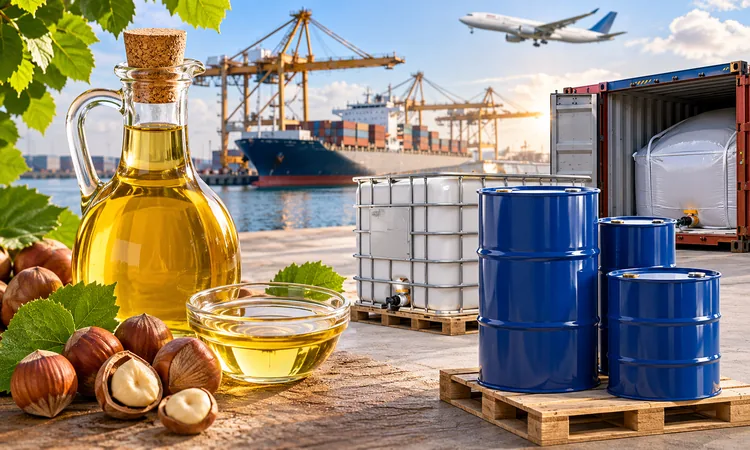
Protecting edible oil cargo
during transport requires
suitable equipment,
contamination prevention,
packaging integrity
and appropriate handling.
01
Container Inspection
Inspect the transport
equipment for visible
contamination, damage,
foreign odors, pests,
unsuitable residues
and structural defects.
02
Packaging Integrity
Review drums,
closures, liners,
seals and other
product-contact components
for suitability and
visible damage.
03
Cargo Securing
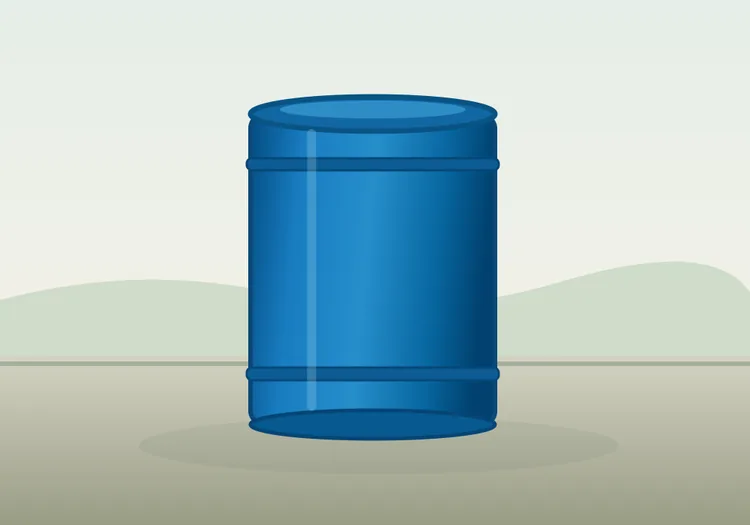
Drum shipments require
appropriate load distribution,
pallet stability
and securing methods
to reduce movement
and damage in transit.
04
Food-Contact Suitability
Materials contacting
edible refined hazelnut oil
should be compatible
with the product
and meet applicable
food-contact requirements.
05
Contamination Prevention
Loading and transfer
operations should protect
against unsuitable
previous cargo residues,
cleaning chemicals,
foreign materials
and moisture.
06
Shipment Identification
Clear product,
quantity, lot,
container and
seal information
supports receiving
and traceability.
Previous Cargo and Cleaning Requirements
Where bulk tanks or reusable
liquid transport systems are used,
previous cargo history
can be important to
contamination risk assessment.
Buyers and suppliers should
agree on suitable previous-cargo
restrictions, cleanliness
standards and available
cleaning evidence where relevant.
Cleaning procedures should
avoid leaving substances
that could contaminate
the oil during loading
or transportation.
Flexitank Loading Considerations
A flexitank is a flexible
bulk liquid containment system
used within a suitable
shipping container.
Its safe operation depends
on equipment design,
rated loading limits,
installation, filling procedure
and carrier requirements.
The liner must be suitable
for edible oil contact
and the expected
transport conditions.
A flexitank should not
be selected solely
by its advertised
maximum volume.
Actual loading weight
must account for the
product quantity,
equipment ratings,
container payload,
applicable road axle
restrictions and
carrier requirements.
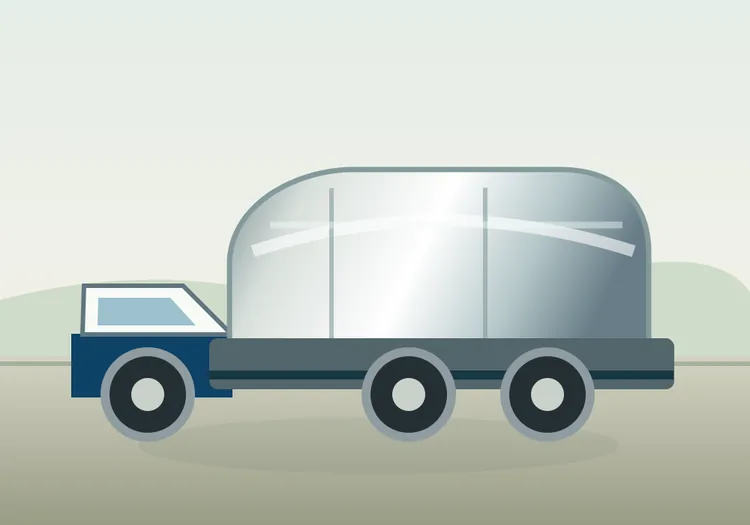
Bulk Tanker Hygiene
Bulk tanker deliveries
may require confirmation
of the previous cargo,
cleaning procedures,
tank condition,
seals, hoses and
pumping equipment.
The receiving facility
should have suitable
storage capacity,
safe access and
compatible discharge
connections before
the tanker arrives.
Shipment safety:
Specific loading procedures,
flexitank ratings, cleaning
standards and carrier approvals
must be confirmed for the
equipment and route used.
This page is not a
substitute for approved
transport operating procedures.